A kitchen drawer holds more than just utensils. It can be a treasure trove of resources and inspiration.
Discover an array of books that transform your kitchen experience. From designing cabinets to regrowing kitchen scraps, these guides offer valuable insights. Bob Lang’s detailed cabinetmaking book provides professional methods and shop drawings. For DIY enthusiasts, there’s a guide to building doors and drawers.
Learn sustainable practices with “No-Waste Kitchen Gardening” and the “Waste-Free Kitchen Handbook. ” Keep your favorite recipes organized in the XXL cookbook. Dive into the classic “Joy of Cooking” for timeless recipes. These books cater to various interests, making them essential additions to any kitchen drawer. Unleash creativity and practicality with these kitchen resources.
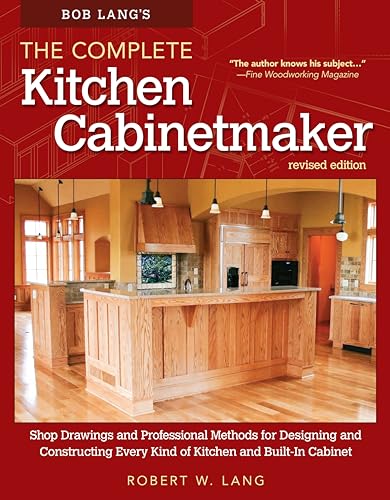
Bob Lang’s The Complete Kitchen Cabinetmaker

Bob Lang’s The Complete Kitchen Cabinetmaker, Revised Edition is ideal for professional woodworkers, kitchen designers, and serious DIY enthusiasts who want to master the art of designing and constructing custom kitchen and built-in cabinets. If you seek detailed shop drawings and professional methods to elevate your cabinetry projects, this comprehensive guide is the perfect resource.
Pros:
- Provides detailed shop drawings and step-by-step construction methods.
- Covers a wide variety of kitchen and built-in cabinet designs.
- Revised edition with updated techniques and standards.
- Offers professional insights from an experienced cabinetmaker.
- Compact and easy-to-handle book dimensions with 232 pages of rich content.
Cons:
- May be too technical for absolute beginners without woodworking experience.
- Publication date from 2014 means some modern trends might not be covered.
- Focuses primarily on traditional cabinetry, with less emphasis on contemporary materials.
This book stands out due to its detailed shop drawings that guide users through every step of the cabinetmaking process. The clear illustrations and professional methods help users build cabinets that are not only functional but also aesthetically pleasing. The revised edition ensures that readers have access to the most current techniques in cabinet design and construction, making it a valuable tool for improving craftsmanship and efficiency in the workshop.
Additionally, the book’s comprehensive approach covers a broad spectrum of cabinetry styles, allowing users to adapt designs to various kitchen layouts and built-in applications. Its practical advice and tested methods can help users avoid common pitfalls, saving time and resources. Whether you are looking to enhance your skills or undertake a full kitchen cabinet project, this book provides the foundational knowledge and inspiration needed to achieve professional-quality results.
Building Doors & Drawers

Ideal for woodworking enthusiasts, DIY hobbyists, and professional carpenters, Building Doors & Drawers: A Complete Guide to Design and Construction offers comprehensive knowledge on creating functional and aesthetically pleasing doors and drawers. If you are looking to enhance your skills in cabinet making or home improvement projects, this guide is tailored for you.
Pros:
- Detailed instructions covering various design styles and construction techniques
- High-quality illustrations that simplify complex woodworking concepts
- Comprehensive coverage including both doors and drawers for diverse projects
- Compact and easy-to-handle size with 192 pages packed with valuable information
- Published by a reputable brand, Sterling Publishing, and manufacturer Taunton Press
Cons:
- Publication date from 2007 might mean some techniques are less modern
- Physical dimensions make it less portable for on-site reference
- Limited to traditional woodworking without extensive coverage of modern materials
This guide excels in breaking down the essential elements of door and drawer construction, offering readers step-by-step processes that enhance both understanding and execution. The inclusion of detailed diagrams and clear explanations ensures that even beginners can follow along and produce quality results. Users benefit from gaining confidence in their woodworking projects and improving the durability and appearance of their finished pieces.
Additionally, the book covers a wide range of styles and hardware options, allowing users to customize their projects to suit different aesthetics and functional needs. By mastering the techniques shared in this guide, readers can save time and reduce costly mistakes, ultimately achieving professional-level craftsmanship in their work.
No-waste Kitchen Gardening

Ideal for home gardeners, eco-conscious individuals, and anyone looking to reduce kitchen waste, No-Waste Kitchen Gardening: Regrow Your Leftover Greens, Stalks, Seeds, and More (No-Waste Gardening) is a practical guide for transforming everyday food scraps into thriving plants. If you want to save money, minimize waste, and enjoy fresh, homegrown produce, this book is the perfect resource.
Pros:
- Comprehensive instructions on regrowing various kitchen scraps
- Easy-to-follow methods suitable for beginners
- Encourages sustainable and eco-friendly gardening habits
- Compact size and lightweight for easy handling and storage
- Published by reputable brand Cool Springs Press
Cons:
- Limited to regrowing only certain types of greens and seeds
- May require patience and trial for successful regrowth
- Only 128 pages, which may be brief for advanced gardeners seeking in-depth techniques
This book, published by Cool Springs Press in 2018, offers clear and practical advice on how to regrow leftovers like greens, stalks, and seeds directly from your kitchen. Its manageable size (9.75 x 6.65 x 0.5 inches) and weight (just over 2 pounds) make it accessible and convenient to keep on hand for quick reference. The 128-page guide covers a variety of plants, providing readers with actionable steps to start their own no-waste garden efficiently.
By following the techniques outlined, users can not only reduce their kitchen waste but also enjoy fresh, nutrient-rich produce grown without the need for additional purchases. The book’s focus on sustainability and resourcefulness aligns perfectly with modern eco-friendly lifestyles, making gardening both rewarding and environmentally responsible. Whether you have a backyard garden or just a small indoor space, the tips in this book can help you maximize your food resources and cultivate a greener lifestyle.
Building Kitchen Cabinets Made Simple

Ideal for DIY enthusiasts and woodworking beginners eager to learn how to build their own kitchen cabinets, Building Kitchen Cabinets Made Simple: A Book and Companion Step-by-Step Video DVD provides clear guidance and practical instruction. Those looking to enhance their home improvement skills or save money on custom cabinetry will find this resource particularly valuable.
Pros:
- Comprehensive combination of a detailed book and an easy-to-follow video DVD
- Step-by-step instructions suitable for beginners and intermediate woodworkers
- Compact and lightweight with dimensions of 10.88 x 0.39 x 9.19 inches and weighing just over 1 pound
- Published by reputable Taunton Press, ensuring quality content
- Contains 128 pages packed with valuable information and practical tips
Cons:
- Published in 2011, some techniques or tools may be slightly outdated
- Physical DVD format may not be convenient for users without DVD players
- Limited to kitchen cabinet building, so not as useful for other types of woodworking projects
This instructional set offers a well-structured learning experience by combining a detailed book with a companion step-by-step video DVD, allowing users to visually and textually grasp the cabinet-building process. The clear instructions help reduce confusion and mistakes, making it easier to complete custom cabinetry projects with confidence.
By following the comprehensive guidance provided, users will gain practical skills in measuring, cutting, assembling, and finishing kitchen cabinets. The benefits include saving money on professional labor, customizing cabinetry to specific needs and styles, and gaining a rewarding DIY accomplishment that improves home value and personal satisfaction.
Building Traditional Kitchen Cabinets
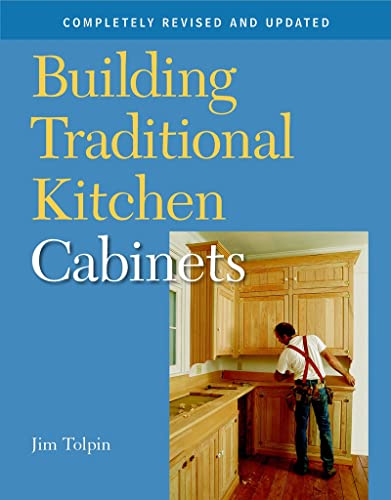
Ideal for woodworking enthusiasts and professional cabinet makers alike, Building Traditional Kitchen Cabinets: Completely Revised and Updated is perfect for those seeking to master the art of crafting high-quality, timeless kitchen cabinetry. This book serves as a comprehensive guide for anyone who wants to create durable and aesthetically pleasing cabinets with traditional techniques.
Pros:
- Detailed instructions with step-by-step guidance for building classic kitchen cabinets.
- Completely revised and updated edition featuring modern tools and methods alongside traditional craftsmanship.
- Comprehensive coverage of materials, joinery, finishing, and installation techniques.
- High-quality illustrations and diagrams to assist users in visualizing complex processes.
- Published by Taunton Press, a trusted name in woodworking literature.
Cons:
- Physical dimensions may make it less portable for on-site reference.
- Publication date is from 2006, so some newer materials or tools might not be covered.
- Primarily focused on traditional styles, which might not appeal to those seeking ultra-modern designs.
This book offers an in-depth exploration of traditional cabinet-making techniques, combining classic woodworking skills with updated content to reflect current practices. Readers will benefit from the clear explanations of joinery methods, choice of materials, and finishing options, enabling them to produce cabinets that are both functional and beautiful. The inclusion of detailed diagrams helps bridge the gap between theory and hands-on application, making it accessible even for intermediate woodworkers.
Beyond construction details, the book emphasizes the importance of planning and design tailored to kitchen functionality and style. By following the guidance provided, users can create cabinets that enhance the overall ambiance of a kitchen while ensuring durability and ease of use. Whether for personal projects or professional craftsmanship, this resource equips readers with the knowledge and confidence to build traditional kitchen cabinets with precision and artistry.
My Recipes: The Xxl Do-it-yourself Cookbook

The My Recipes: The XXL do-it-yourself cookbook is ideal for cooking enthusiasts and home chefs who love to personalize their recipe collection. If you enjoy creating your own culinary masterpieces or want a dedicated space to organize your 120 favorite recipes in a neat and accessible format, this cookbook is perfect for you. It suits those who prefer handwritten notes over digital formats and appreciate a tangible, customizable recipe book that can grow with their cooking journey.
Pros:
- Generous size with 133 pages providing ample space for extensive recipe notes.
- Compact dimensions (11.0 x 8.5 inches) make it easy to handle and store in the kitchen.
- Designed in a practical letter format that is user-friendly and easy to read.
- Allows for complete customization, enabling users to add personal touches to each recipe.
- Published independently, offering a unique and original approach to recipe organization.
Cons:
- Limited to handwritten entries, which may not suit those who prefer digital recipe management.
- The 0.34 inch thickness might be too thin for users with very large recipe collections.
- Publication date from 2017, so it lacks updates or digital integration features found in newer cookbooks.
The My Recipes: The XXL do-it-yourself cookbook offers a thoughtfully designed platform for recording your culinary creations, making it easier to keep your favorite dishes organized and accessible. Its large page count and practical size mean you can comfortably write detailed instructions, ingredient lists, and personal notes without feeling cramped. This physical format encourages a hands-on approach, fostering a deeper connection with your cooking process.
Additionally, the letter format and independent publication ensure a fresh and personalized experience, free from the constraints of mass-produced cookbooks. The ability to customize each page allows users to tailor the book to their specific tastes and cooking styles, making it a cherished keepsake. While it doesn’t offer digital features, its simplicity and focus on handwritten entries provide a nostalgic and rewarding way to document your recipes.
Waste-free Kitchen Handbook

The Waste-Free Kitchen Handbook: A Guide to Eating Well and Saving Money By Wasting Less Food is ideal for environmentally conscious individuals and families who want to reduce food waste while improving their eating habits. This guide is perfect for those looking to save money on groceries without compromising on nutrition and flavor, as well as anyone passionate about sustainable living and minimizing their ecological footprint.
Pros:
- Comprehensive strategies for reducing food waste and saving money
- Practical tips for meal planning, storage, and using leftovers
- Written by Chronicle Books, ensuring reliable and well-researched content
- Easy-to-follow guidance suitable for beginners and experienced cooks alike
- Contains 202 pages filled with actionable advice and recipes
Cons:
- Edition 1 may lack updates found in newer publications
- Focused on kitchen waste, with less emphasis on broader sustainability topics
- Some readers may find the tips basic if already familiar with zero-waste practices
This handbook offers a detailed look at how to effectively reduce food waste through smart kitchen management and thoughtful eating habits. It covers everything from proper storage techniques to creative recipes that make the most out of leftovers, helping users maximize the value of their groceries. The 202-page guide is structured to provide clear, actionable advice that can be immediately implemented in everyday life.
By following the recommendations from Chronicle Books, readers benefit from both environmental and financial savings. Reducing waste not only cuts down on unnecessary grocery expenses but also contributes positively to sustainability efforts. This book is a valuable resource for anyone aiming to adopt a waste-conscious lifestyle without sacrificing the joy of eating well.
Joy Of Cooking

The 1975 Edition Joy of Cooking, crafted by Bob Marrill, is an ideal choice for home cooks and culinary enthusiasts looking for a comprehensive and reliable all-purpose cookbook. With its extensive range of recipes and detailed instructions, it suits both beginners eager to learn foundational cooking skills and experienced chefs seeking classic, time-tested dishes. If you value a rich culinary resource that combines tradition with variety, this cookbook is perfect for your kitchen.
Pros:
- Contains 918 pages of diverse recipes covering multiple cuisines and cooking techniques.
- Produced by a reputable manufacturer, Bob Marrill, ensuring quality and authenticity.
- Weighs only 2.36 pounds, making it sturdy yet manageable for everyday use.
- Includes detailed instructions suitable for cooks of all skill levels.
- Classic edition that has stood the test of time since its 1971 publication.
Cons:
- Large size and weight might be cumbersome for some users.
- Recipes may reflect cooking styles and ingredients popular in the early 1970s, which could feel outdated to modern tastes.
- Lacks digital or interactive content found in contemporary cookbooks.
The 1975 Edition Joy of Cooking offers an impressive breadth of content, making it a valuable reference for anyone serious about cooking. Its substantial 918 pages provide a vast array of recipes, from everyday meals to special occasion dishes, enabling users to expand their culinary repertoire. The detailed explanations and step-by-step guidance help ensure successful results, boosting confidence in the kitchen.
Additionally, the cookbook’s enduring popularity speaks to its effectiveness as a cooking companion. The physical dimensions and weight make it a durable addition to your collection, suitable for frequent use. While it reflects the culinary trends of the early 1970s, it remains a treasured resource for those who appreciate classic recipes and traditional cooking methods. Overall, this edition is a well-rounded, dependable choice for anyone looking to enhance their cooking skills with a trusted, all-purpose guide.
Frequently Asked Questions
What Tools Are Essential For Building Kitchen Drawers?
Essential tools include measuring tape, saws, chisels, clamps, and screwdrivers. These ensure precise cuts and strong joints. Bob Lang’s book details professional methods for cabinet construction, making the process efficient and accurate.
How To Design Functional Kitchen Cabinet Doors?
Functional doors require accurate measurements, quality hinges, and smooth finishes. Building Doors & Drawers guide explains design principles for durability and aesthetics. Proper design enhances usability and kitchen appeal.
What Are The Benefits Of No-waste Kitchen Gardening?
No-waste gardening saves money and reduces food waste by regrowing scraps. It promotes sustainability and fresh produce availability. This method is explained in the No-Waste Kitchen Gardening book with easy steps.
How Can Beginners Start Building Kitchen Cabinets?
Beginners should follow step-by-step guides like Building Kitchen Cabinets Made Simple. It combines clear instructions with companion videos for easy understanding. Starting with basic tools and materials is recommended.
Why Use A Waste-free Kitchen Handbook?
A waste-free kitchen handbook helps save money by reducing food waste. It offers practical tips for eating well sustainably. This approach aligns with eco-friendly living and efficient kitchen management.
What Makes The 1975 Joy Of Cooking Relevant Today?
The 1975 Joy of Cooking remains a classic for its comprehensive, timeless recipes. It covers all-purpose cooking techniques that suit modern kitchens. Its enduring popularity reflects trusted culinary wisdom.
Conclusion
A well-organized kitchen drawer holds many useful tools and items. Books like Bob Lang’s *The Complete Kitchen Cabinetmaker* help build strong cabinets and drawers. Guides on doors and drawer design show you how to make everything fit just right. Growing your own kitchen greens with *No-Waste Kitchen Gardening* saves money and reduces waste.
Step-by-step books on cabinet building make the process easier for beginners. Keeping your favorite recipes in a DIY cookbook keeps cooking simple and fun. Learning how to waste less food with the *Waste-Free Kitchen Handbook* helps save money and eat healthier.
Classic cookbooks like the 1975 *Joy of Cooking* offer trusted recipes for all occasions. Together, these resources give you practical ideas for a useful kitchen drawer. Small changes can make cooking and kitchen work smoother and more enjoyable. Simple, smart choices create a kitchen space you will love every day.

Leave a Reply